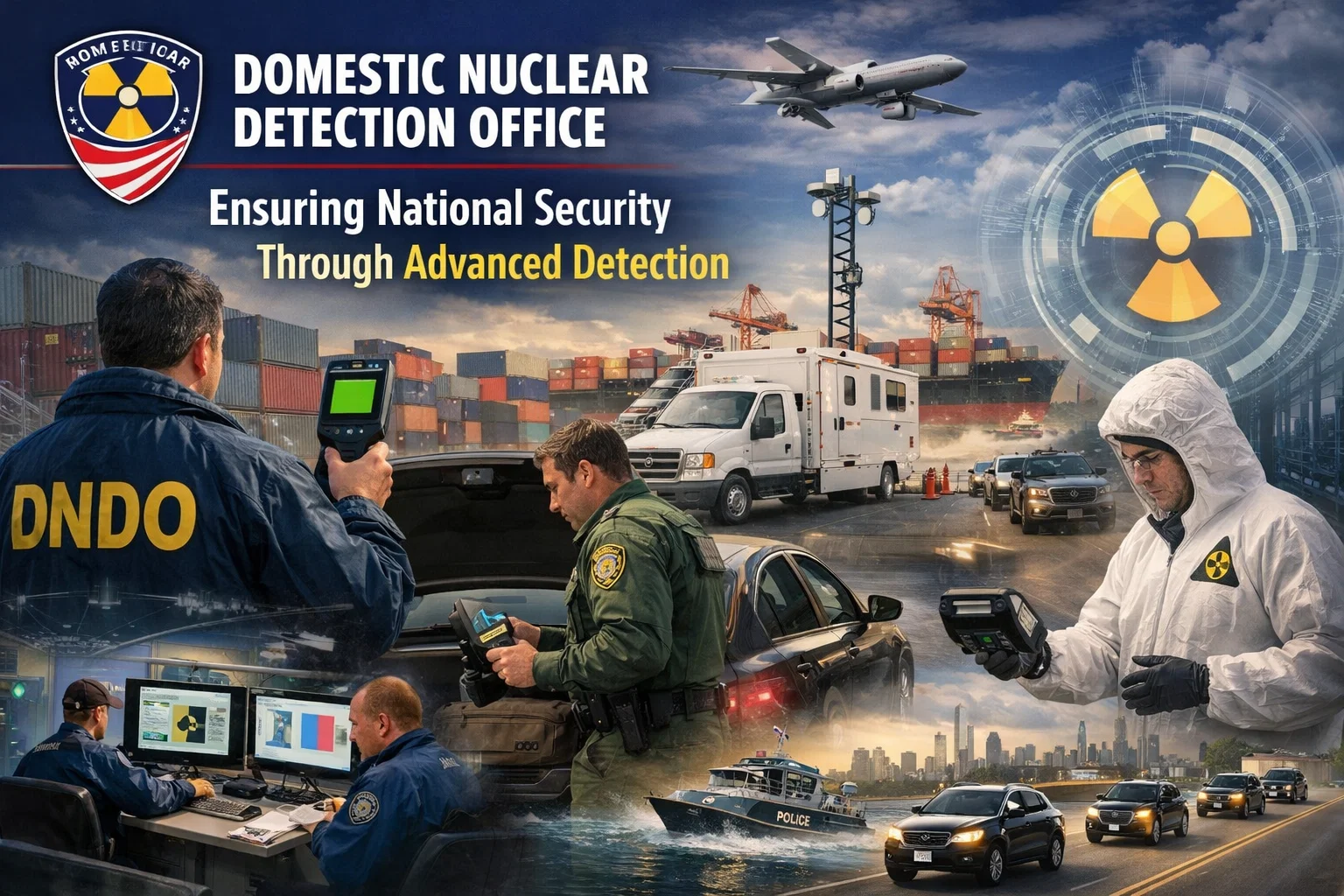
The Domestic Nuclear Detection Office (DNDO) plays a crucial role in safeguarding nations from nuclear threats. Its mission revolves around detecting, preventing, and responding to the illicit use of nuclear materials within domestic borders. In today’s geopolitical climate, where nuclear technology and materials are more accessible than ever, a dedicated agency like the DNDO ensures that threats are identified early and mitigated effectively. This office bridges the gap between intelligence, law enforcement, and scientific research to maintain national security and public safety.
At its core, the Domestic Nuclear Detection Office combines cutting-edge technology with strategic coordination. It works closely with federal, state, and local agencies, providing specialized tools and protocols for detecting radioactive substances. By leveraging sensors, radiation detectors, and advanced data analysis systems, the office can monitor high-risk locations, track potential threats, and implement rapid response strategies. Its integrated approach has made it a model for domestic security agencies worldwide, emphasizing proactive measures over reactive ones.
The office also invests heavily in research and development. Continuous innovation in radiation detection, portable scanning devices, and artificial intelligence algorithms allows the DNDO to stay ahead of emerging threats. Collaboration with universities, national laboratories, and private sector partners ensures that the latest scientific advancements are translated into practical security solutions. As one security analyst remarked, “The Domestic Nuclear Detection Office is where science meets security, turning theoretical knowledge into real-world protection.”
Strategic Operations and Responsibilities of the Domestic Nuclear Detection Office
The Domestic Nuclear Detection Office is responsible for a wide array of operations that collectively ensure the nation’s security. One of its primary functions is monitoring and securing ports of entry, including airports, seaports, and border crossings. These locations are vulnerable points where illicit nuclear materials could enter the country. By deploying advanced detection systems and coordinating with customs officials, the office reduces the likelihood of nuclear smuggling and ensures that high-risk shipments are thoroughly screened.
In addition to border security, the DNDO plays a vital role in emergency preparedness and response. It develops protocols for incidents involving radiological materials, providing guidance for law enforcement and first responders. These protocols include identification of radioactive substances, risk assessment, containment procedures, and public safety measures. Training exercises and simulations are conducted regularly to maintain readiness, ensuring that personnel can respond quickly and effectively during a nuclear or radiological event.
The office’s responsibilities also extend to intelligence analysis. By collecting and evaluating data from multiple sources, the DNDO can identify trends and potential threats. Intelligence sharing with federal and local agencies enhances situational awareness and helps in prioritizing resources. This multi-layered approach ensures that the nation remains resilient against both deliberate attacks and accidental nuclear incidents.
Advanced Detection Technologies
Technology is at the heart of the Domestic Nuclear Detection Office’s mission. Modern nuclear detection relies on a combination of stationary, mobile, and handheld instruments designed to identify radioactive materials quickly and accurately. Stationary portal monitors are installed at key locations to scan vehicles and cargo. These monitors use gamma-ray and neutron detection technologies to identify materials that could be used in nuclear weapons or dirty bombs.
Mobile detection units complement stationary systems by providing flexibility in high-risk areas or during special events. These units can be deployed to monitor large gatherings, public transportation hubs, and critical infrastructure sites. They are equipped with state-of-the-art sensors capable of detecting minute amounts of radioactive substances, ensuring that even low-level threats are not overlooked.
Handheld detectors provide field operatives and first responders with portable, real-time monitoring capabilities. These devices are essential for inspecting suspicious packages, vehicles, or locations where fixed systems cannot be installed. Continuous innovation in detector sensitivity, speed, and reliability allows the DNDO to adapt to emerging threats and maintain a robust domestic nuclear security posture.
| Detection Technology | Purpose | Key Features |
|---|---|---|
| Gamma-Ray Portal Monitors | Screening cargo and vehicles | High sensitivity, automatic scanning, rapid alert system |
| Neutron Detectors | Identifying fissile materials | Portable, durable, low false-positive rates |
| Handheld Radiation Detectors | Field inspection and rapid response | Lightweight, real-time readouts, user-friendly interface |
| Mobile Detection Units | Event and high-risk area monitoring | Versatile deployment, integrated sensors, rapid mobility |
Collaboration and Interagency Partnerships
The Domestic Nuclear Detection Office operates through extensive collaboration with other government agencies. By partnering with the Department of Homeland Security, Federal Emergency Management Agency, and the Department of Energy, the DNDO ensures that detection systems are integrated into a nationwide security network. These partnerships allow for shared resources, streamlined communication, and coordinated responses to potential nuclear threats.
State and local law enforcement agencies also play a critical role. The DNDO provides training, equipment, and technical expertise to enhance the capabilities of local responders. This decentralized approach ensures that communities across the country can respond effectively to radiological threats. As a former DNDO director stated, “Our mission extends beyond federal borders. It’s about empowering local agencies to protect their citizens with the same rigor and precision we uphold at the national level.”
International collaboration is another vital aspect of the office’s strategy. Sharing intelligence, best practices, and detection technologies with allied nations helps to prevent cross-border nuclear smuggling and promotes global security. The DNDO’s efforts contribute to international treaties and agreements aimed at reducing the proliferation of nuclear materials worldwide.
Training and Workforce Development
A highly trained workforce is essential for the Domestic Nuclear Detection Office to function effectively. Personnel undergo rigorous education in nuclear physics, radiation detection, threat assessment, and emergency response. Regular training exercises simulate real-world scenarios, from smuggling attempts to radiological accidents, ensuring that staff can make informed, quick decisions under pressure.
Professional development is continuous. The DNDO encourages collaboration with academic institutions and research labs to advance knowledge and skills. Specialists in the office are often at the forefront of scientific discovery, applying new findings to operational strategies. By cultivating expertise in both technology and policy, the DNDO maintains a workforce capable of handling complex and evolving nuclear threats.
Leadership within the DNDO emphasizes adaptability and innovation. Employees are encouraged to think critically, anticipate emerging threats, and propose improvements to existing detection strategies. This culture of proactive problem-solving strengthens the office’s overall effectiveness and enhances national security readiness.