Pest control has evolved significantly from the days of simple sprays and reactive treatments. Today, a more thoughtful and structured approach is reshaping how infestations are identified and managed. We will explore how deep inspection strategies form the backbone of modern pest control, allowing for more precise interventions and long-term results. Rather than focusing solely on visible pests, this approach examines the underlying conditions that allow infestations to thrive. By understanding structural vulnerabilities, environmental factors, and pest behavior, property owners can move from temporary fixes to more sustainable control methods that address problems at their source.
Understanding the Shift from Surface Treatment to Root Cause Analysis
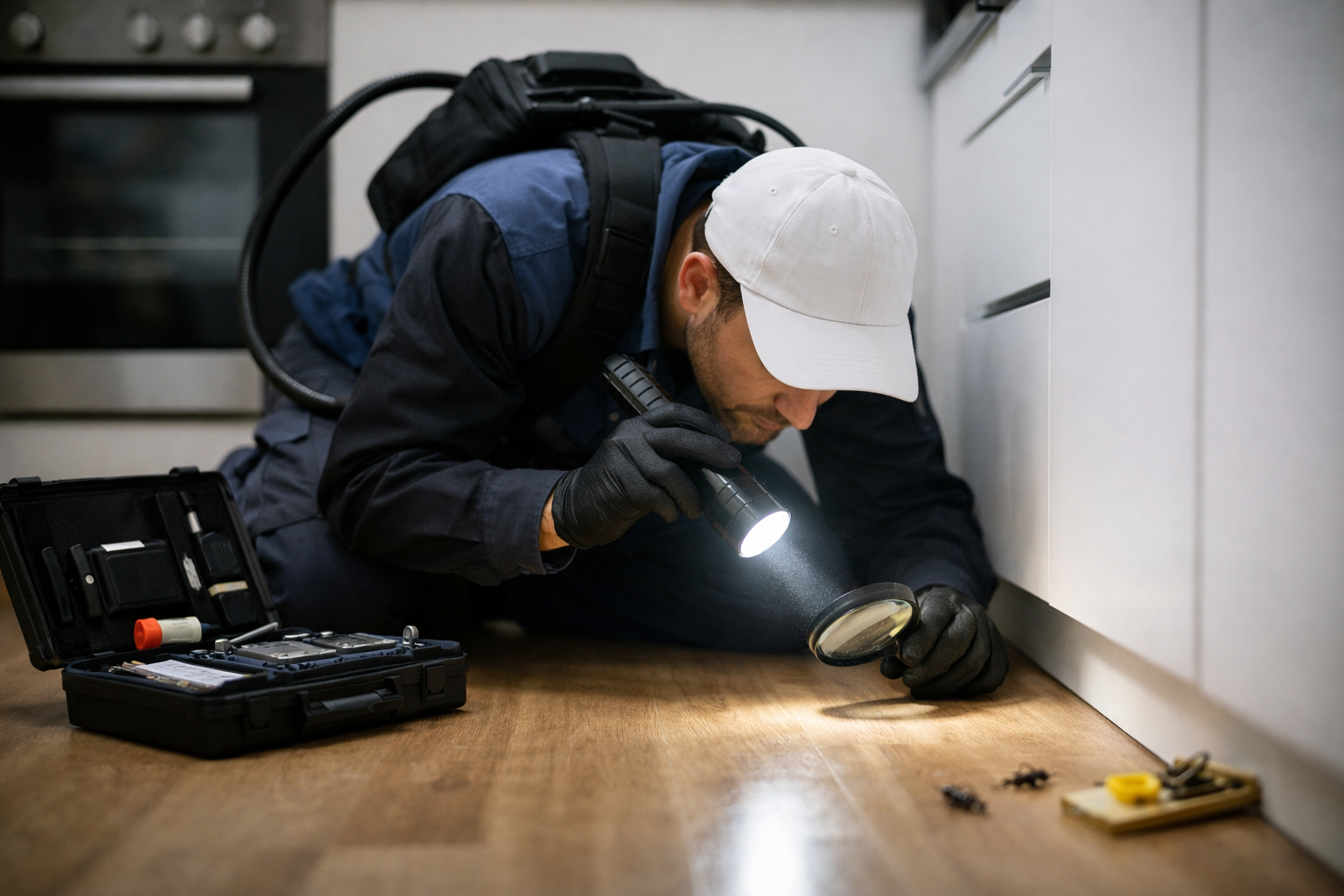
Traditional pest control often relied on quick chemical applications aimed at eliminating visible insects or rodents. While this method may provide immediate relief, it rarely addresses the conditions that led to the infestation in the first place. Modern pest control, including approaches used in Chicago pest control, shifts the focus toward root cause analysis, where inspection becomes the foundation of any treatment plan. This process involves identifying entry points, moisture sources, nesting areas, and environmental conditions that attract pests. Inspectors examine cracks in walls, gaps around windows, poorly sealed utility lines, and areas with food or water accumulation.
By doing so, they can determine not only what pests are present but also why they are there. This analytical approach reduces dependency on repeated chemical use and instead emphasizes targeted action. It also helps prevent recurring infestations, as the same conditions that foster them are less likely to persist. Over time, this method proves more efficient and cost-effective, aligning pest control practices with long-term property maintenance goals rather than short-term fixes.
The Role of Structural and Environmental Assessments
A comprehensive inspection goes beyond identifying pests; it evaluates the entire environment in which they exist. Structural assessments focus on a building’s integrity, identifying vulnerabilities such as foundation cracks, damaged roofing, and improperly sealed vents. These areas often serve as entry points for pests, making them critical to address. Environmental assessments, on the other hand, analyze factors like humidity levels, landscaping design, and waste management practices. Overgrown vegetation, standing water, and cluttered storage spaces can create ideal conditions for pests to thrive.
By combining these two perspectives, pest control professionals gain a holistic understanding of the infestation. This allows them to recommend changes that extend beyond treatment, such as improving drainage systems, trimming vegetation, or reorganizing storage areas. These adjustments not only reduce pest activity but also enhance the overall health of the property. The integration of structural and environmental insights ensures that pest control efforts are proactive rather than reactive, reducing the likelihood of future infestations.
Advanced Tools and Techniques in Modern Inspection Practices
Inspection strategies today are supported by a range of advanced tools and techniques that enhance accuracy and efficiency. Moisture meters help detect hidden damp areas that attract pests like termites and cockroaches. Thermal imaging cameras can identify temperature variations within walls, revealing potential nesting sites that are not visible to the naked eye. Borescopes allow inspectors to look inside confined spaces such as wall cavities and duct systems without causing significant damage. In addition, digital documentation tools enable detailed reporting, including photographs and annotated diagrams that clearly outline problem areas.
These technologies not only improve the quality of inspections but also provide property owners with a clear understanding of the findings. This transparency builds trust and ensures that recommended actions are based on concrete evidence rather than assumptions. As a result, treatment plans become more precise, focusing only on affected areas and minimizing unnecessary interventions. The use of these tools reflects a broader shift toward data-driven pest control, where decisions are guided by measurable insights rather than guesswork.
Integrating Inspection Findings into Long-Term Prevention Plans
The true value of a deep inspection lies in how its findings are used to shape long-term prevention strategies. Instead of treating pest control as a one-time service, modern approaches integrate inspection results into ongoing maintenance plans. This may include sealing identified entry points, implementing moisture control measures, and establishing regular monitoring schedules. Property owners are often provided with actionable recommendations that they can implement to reduce risk, such as proper food storage practices or routine cleaning protocols. In some cases, follow-up inspections are scheduled to ensure that corrective measures have been effective.
This continuous cycle of inspection, action, and evaluation creates a dynamic system that adapts to changing conditions. It also empowers property owners to take an active role in maintaining a pest-free environment. By focusing on prevention rather than reaction, this approach reduces the need for repeated treatments and supports a more sustainable model of pest control. Over time, it leads to improved property conditions and a lower likelihood of severe infestations.
Modern pest control is no longer defined by how quickly pests can be eliminated, but by how effectively their return can be prevented. Deep inspection strategies play a central role in this transformation, offering insights that go far beyond surface-level observations. By addressing the root causes of infestations and integrating findings into ongoing prevention plans, property owners can achieve more consistent results. This shift represents a more thoughtful and sustainable direction for pest control, where understanding the environment is just as important as addressing the pests themselves.