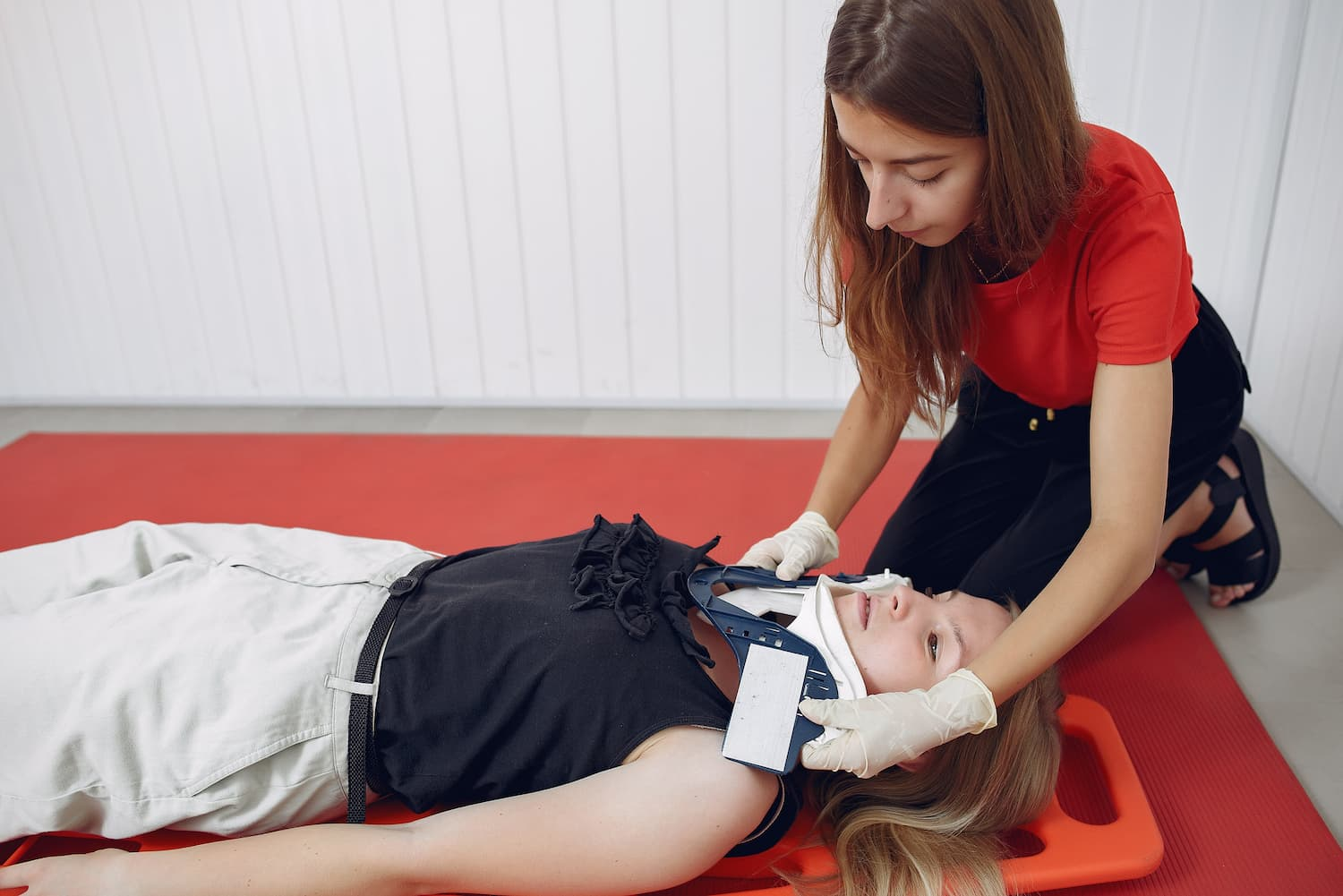
First aid courses are designed to equip individuals with the knowledge and practical skills necessary to respond effectively during emergencies. These courses cover a wide range of scenarios, from minor injuries to life-threatening situations, ensuring that participants are prepared to act quickly and confidently. By combining theoretical instruction with hands-on practice, first aid courses foster a sense of readiness and responsibility. Participants learn not only how to assess and manage various medical emergencies but also how to remain calm under pressure. This preparation can make a significant difference in the outcome of an emergency, potentially saving lives and reducing the severity of injuries.
What to expect from first aid courses
Building confidence through hands-on practice
One of the most significant ways first aid courses prepare individuals for real-life emergencies is by providing extensive hands-on practice. During these sessions, participants engage in realistic simulations that mimic actual emergency situations. This practical approach allows learners to apply theoretical knowledge in a controlled environment, helping them develop muscle memory and confidence. For example, practicing CPR on a manikin or learning how to use an automated external defibrillator ensures that individuals are not just familiar with the steps but are also comfortable performing them under stress. The repetition of these skills during training helps reduce hesitation and anxiety, which are common barriers to effective action in real emergencies. By the end of the course, participants often report feeling more empowered and ready to assist others, knowing they have practiced the necessary techniques multiple times.
Understanding emergency protocols and communication
A crucial aspect of first aid training is learning how to follow established emergency protocols and communicate effectively during a crisis. Courses emphasize the importance of assessing the scene for safety, prioritizing care based on the severity of injuries, and calling for professional help when needed. Participants are taught how to relay clear and concise information to emergency responders, which can be vital for ensuring timely and appropriate care. In addition, first aid courses highlight the significance of teamwork and coordination, especially in situations where multiple people are involved. By understanding these protocols and practicing communication skills, individuals are better prepared to take charge and provide assistance without causing confusion or delay. This structured approach to emergencies helps create a sense of order and efficiency, which can be critical in high-pressure situations. For those seeking First Aid training near University of Calgary, these courses offer a comprehensive foundation that prepares individuals to respond effectively in their communities.
Adapting to a variety of emergency scenarios
First aid courses are designed to cover a broad spectrum of emergencies, ensuring that participants are prepared for a range of situations they might encounter in daily life. From treating minor cuts and burns to managing severe allergic reactions or cardiac arrests, the curriculum is structured to address both common and rare incidents. This comprehensive approach ensures that individuals are not limited to a single set of skills but are instead equipped to handle diverse challenges. Instructors often use scenario-based learning, where participants must assess and respond to unpredictable situations. This method encourages critical thinking and adaptability, as emergencies rarely unfold exactly as described in textbooks. By exposing learners to different scenarios, first aid courses help them develop the ability to make quick, informed decisions, even when faced with unfamiliar circumstances. This adaptability is a key component of effective emergency response, as it allows individuals to remain resourceful and calm, regardless of the situation.
The importance of psychological preparedness
A unique benefit of first aid courses is the focus on psychological preparedness. Emergencies can be emotionally overwhelming, and the ability to manage stress and maintain composure is just as important as technical skills. Training programs often include discussions about the emotional impact of emergencies, teaching participants strategies to cope with anxiety and fear. This psychological preparation helps individuals stay focused and make rational decisions, even when under pressure. By addressing both the mental and physical aspects of emergency response, first aid courses ensure that participants are truly ready to help others in need.
Lifelong skills for community safety
First aid training imparts skills that extend far beyond the classroom. The knowledge gained is applicable in a wide range of settings, from the workplace to the home and public spaces. Individuals who complete first aid courses become valuable assets to their communities, capable of providing immediate assistance when accidents or medical emergencies occur. This sense of responsibility often inspires others to seek training as well, creating a ripple effect that enhances overall community safety. The confidence and competence developed through first aid courses can have a lasting impact, empowering individuals to act decisively and compassionately in times of need.
Conclusion
First aid courses play a vital role in preparing individuals for real-life emergencies by combining practical skills, theoretical knowledge, and psychological readiness. Through hands-on practice, scenario-based learning, and a focus on effective communication, participants gain the confidence and ability to respond swiftly and appropriately in a variety of situations. These courses not only teach essential life-saving techniques but also foster a sense of responsibility and community awareness. By investing in first aid training, individuals are better equipped to make a positive difference during emergencies, potentially saving lives and reducing the impact of injuries. The skills and confidence gained through this training are invaluable assets that contribute to safer, more resilient communities.