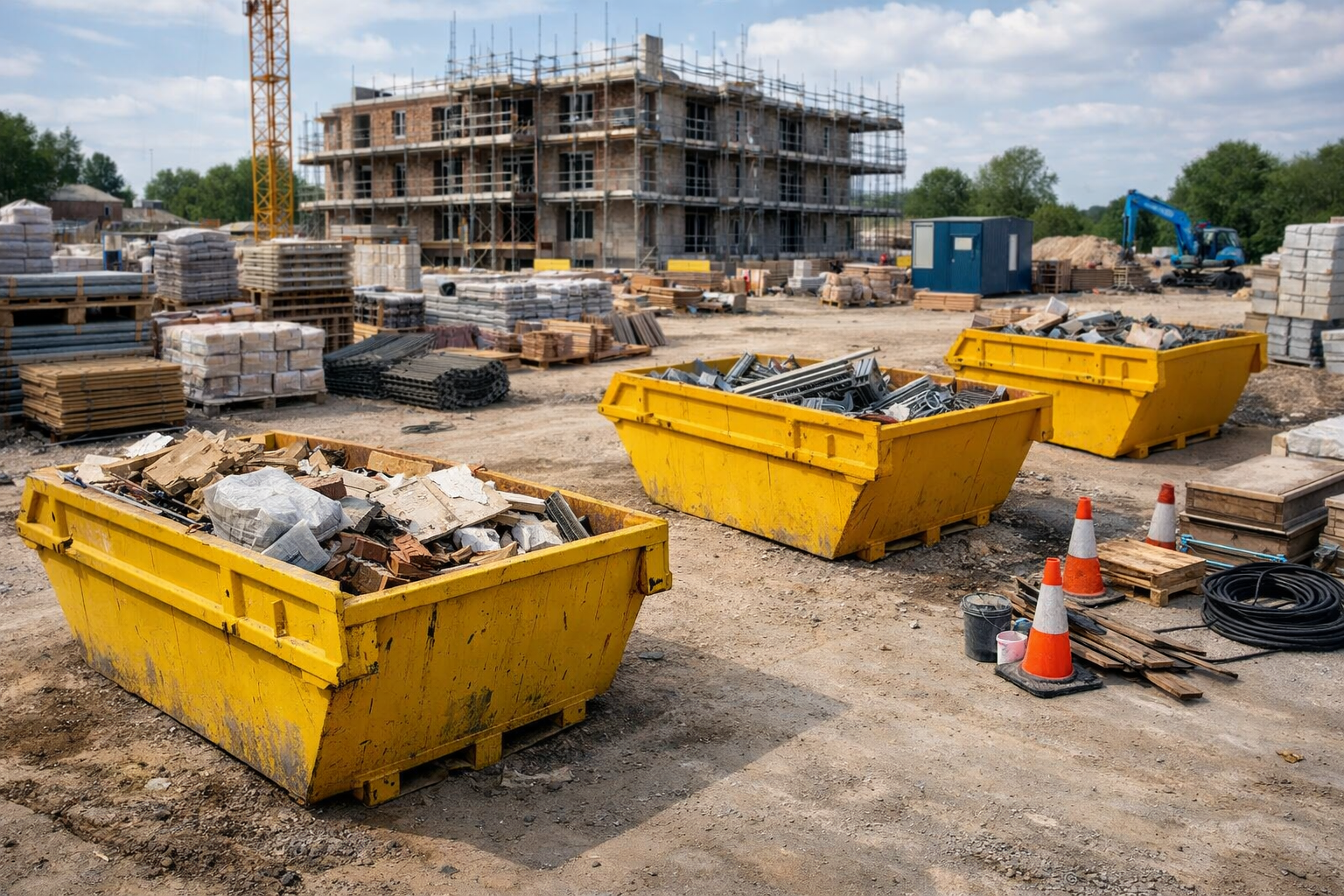
Construction sites are naturally busy, with multiple teams working on different tasks, materials arriving daily, and waste accumulating rapidly. Without careful planning, debris and unused materials can pile up, creating obstacles that slow work and increase safety risks. Efficient waste management is not only about removing trash but also about maintaining a workflow that allows teams to operate without unnecessary hindrances. We will explore how strategic skip placement can reduce clutter on construction sites, streamline operations, and enhance overall safety and efficiency. Proper planning in this area can prevent delays, improve productivity, and help maintain a professional site environment that complies with health and safety regulations.
Planning Skip Locations for Maximum Efficiency
Effective skip placement begins with understanding the flow of work on a construction site. Placing skips near high-waste-generating areas, such as demolition zones or material preparation stations, reduces the distance workers need to carry debris. This minimizes physical strain and saves valuable time during busy phases of construction. When planning locations, especially on busy sites in London, consider accessibility for both workers and waste removal vehicles. Skips should be positioned to allow easy loading without obstructing machinery or foot traffic. Furthermore, multiple smaller skips placed strategically can sometimes be more efficient than a single large skip, as this reduces the need for workers to walk across the site to dispose of waste. By mapping waste hotspots in advance, site managers can ensure that skips are always accessible when needed, reducing downtime and improving operational flow.
Safety Benefits of Organized Skip Placement
Construction sites are prone to hazards, and cluttered areas increase the risk of accidents, such as trips, falls, or collisions with equipment. By placing skips thoughtfully, sites can maintain clear pathways for personnel and vehicles, allowing work to continue safely. Skips should be positioned away from high-traffic zones and entrances to prevent obstruction and reduce the likelihood of incidents. Additionally, segregating waste types with designated skips—for example, separating wood, metal, and general debris—can prevent fires, contamination, or injury from sharp objects. Organized placement also allows emergency services to access the site quickly if needed. Overall, a strategic layout not only keeps the site tidy but also actively contributes to a safer working environment for everyone involved.
Enhancing Workflow and Productivity
Smart skip placement directly impacts workflow by keeping work areas uncluttered and organized. When waste is easy to deposit and remove, workers spend less time handling debris and more time on productive tasks. Quick, simple access to skips reduces workflow interruptions and ensures that recyclable or reusable materials are properly sorted. Site managers can also schedule regular emptying of skips at intervals that match the construction pace, preventing overflow and congestion. Additionally, coordinating skip placements with material storage areas ensures that workers do not need to navigate around obstacles, making it easier to transport new materials to their intended locations. This proactive approach supports a smoother, more efficient construction process.
Environmental Considerations and Compliance
Modern construction projects must comply with environmental regulations and waste disposal guidelines. Strategically placed skips make it easier to segregate recyclable and non-recyclable materials, ensuring that waste is handled in an environmentally responsible way. Construction sites often generate a variety of materials, including concrete, metals, plastics, and hazardous substances, each requiring specific disposal methods. By planning skip placement to facilitate sorting, sites can reduce contamination, improve recycling rates, and meet local authority standards. Moreover, having accessible skips encourages workers to dispose of waste correctly, rather than leaving it scattered around the site. This not only supports environmental sustainability but also helps construction companies avoid fines or penalties for improper waste management practices.
Maintaining Site Organization Over Time
Skip placement should be regularly reviewed and adjusted as the construction project progresses. As different phases of work are completed, waste generation points shift, and skips need to be relocated to remain effective. Flexible placement plans allow sites to adapt to changing needs without compromising cleanliness or workflow. Regular site audits can identify areas where debris may accumulate unexpectedly, prompting timely relocation or addition of skips. Continuous monitoring ensures that the site remains organized throughout the project, reducing clutter and maintaining a professional appearance. A proactive approach to skip management also signals to clients and inspectors that the project is well organized, enhancing the construction team’s reputation.
Construction sites inevitably generate waste, but careful planning and strategic placement of skips can significantly reduce clutter, improve safety, and enhance productivity. By analyzing waste hotspots, maintaining accessible pathways, and integrating environmental considerations, site managers can streamline operations while remaining compliant with regulations. Regular assessment and adaptation of skip locations ensure that waste management continues to support project needs as work progresses. A well-organized site fosters a safer, more efficient working environment and demonstrates professionalism and responsible management to all stakeholders. Efficient skip placement is therefore an essential component of modern construction site management.