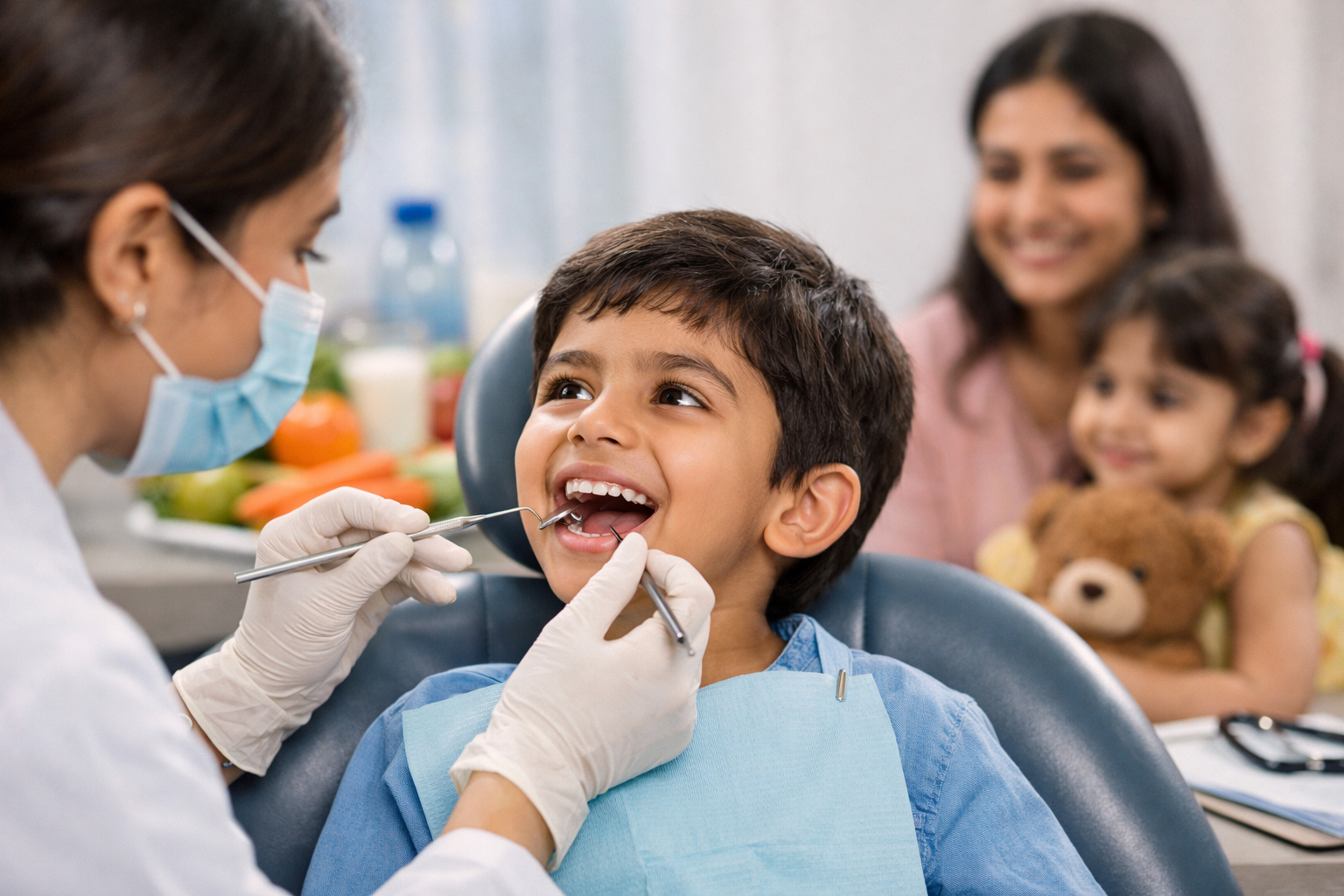
Oral health plays a crucial role in children’s overall well-being, influencing not only their physical health but also their emotional and social development. Healthy teeth and gums are essential for proper nutrition, clear speech, and self-confidence. When children experience dental problems, such as cavities or gum disease, it can affect their ability to eat a balanced diet, sleep comfortably, and participate actively in daily activities. Poor oral health has also been linked to more serious conditions, such as infections and systemic inflammation, which can affect other organs over time. We will explore how maintaining proper oral care contributes to a child’s overall well-being and the steps parents can take to ensure their children develop healthy habits from an early age. Understanding the connection between oral health and overall health is critical to fostering long-term wellness in children.
Nutrition and Oral Health
Nutrition and oral health are closely intertwined, as the foods children consume directly affect the strength and development of their teeth and gums. A diet rich in vitamins and minerals, particularly calcium and vitamin D, supports strong enamel formation and helps prevent cavities. Conversely, excessive sugar intake can lead to tooth decay, which may result in pain, infections, and difficulties in chewing and swallowing. When children struggle with oral discomfort, they may avoid certain foods, leading to nutritional deficiencies that can hinder growth and development.
Regular dental checkups at a trusted provider, such as North Vancouver Dentistry, combined with guidance on healthy eating habits, allow parents to monitor their child’s oral health and identify dietary patterns that may increase the risk of dental problems. By prioritizing balanced meals and limiting sugary snacks and drinks, families can foster both oral health and overall physical wellness, setting the foundation for lifelong healthy habits.
Speech and Cognitive Development
Oral health has a direct influence on a child’s speech and cognitive development. Dental issues such as misaligned teeth, missing teeth, or chronic gum inflammation can affect pronunciation, clarity, and the ability to form words properly. Children who experience difficulties with speech may also face challenges in communication, which can impact their social interactions and confidence in academic settings. Furthermore, chronic pain from dental problems can interfere with concentration and attention span, potentially affecting learning and cognitive growth.
Maintaining a healthy mouth through daily brushing, flossing, and routine dental visits helps children develop proper articulation and communication skills. Encouraging early dental care and monitoring oral development helps parents address potential speech impediments or oral discomfort before they interfere with a child’s cognitive or educational progress, emphasizing the broader impact of oral wellness on overall mental and developmental health.
Emotional and Social Well-Being
A child’s emotional and social well-being is closely linked to oral health, particularly in how they perceive their appearance and interact with peers. Children with dental issues such as discoloration, crooked teeth, or visible cavities may feel self-conscious about smiling or speaking in front of others. This can lead to social withdrawal, anxiety, or lower self-esteem, which may affect friendships, classroom participation, and overall quality of life. Positive oral health experiences, including routine dental care and encouragement at home, help children feel confident and maintain a sense of pride in their appearance.
Educating children about the importance of oral hygiene and making dental care a positive experience reinforces self-confidence and promotes healthy social behaviors. By supporting oral health from an early age, parents can help prevent emotional distress associated with dental problems, highlighting the connection between oral care and psychological wellness in growing children.
Preventive Care and Long-Term Health
Preventive dental care is essential for safeguarding children’s long-term health, extending beyond the immediate benefits of cavity prevention. Regular dental visits allow professionals to detect early signs of decay, gum disease, or other oral issues that, if left untreated, could contribute to infections or systemic health problems. Poor oral health in childhood has been linked to higher risks of cardiovascular issues, diabetes, and other inflammatory conditions later in life.
Establishing preventive habits, such as brushing twice daily with fluoride toothpaste, flossing, and using mouth rinses when appropriate, supports both immediate and future wellness. Education on proper oral hygiene techniques empowers children to take responsibility for their own care while reducing the likelihood of complications as they grow older. By focusing on prevention, families can ensure that oral health remains a cornerstone of overall wellness throughout childhood and into adulthood, reinforcing the lifelong importance of healthy dental habits.
Parental Role and Education
Parents play a pivotal role in shaping their child’s oral health habits and overall wellness. Modeling consistent brushing and flossing routines, supervising daily care, and scheduling regular dental appointments help children understand the value of maintaining a healthy mouth. Parental education on recognizing early signs of dental issues, such as sensitivity, bleeding gums, or bad breath, enables timely intervention before minor problems escalate. Additionally, fostering a positive attitude toward dental visits reduces anxiety and creates an environment where children feel comfortable discussing oral health concerns.
By integrating oral health education into daily routines, parents also influence dietary choices, encouraging children to opt for foods that support dental and general health. Active parental involvement in oral care establishes a foundation for responsible self-care, helping children develop habits that contribute to lifelong wellness and resilience against preventable dental and systemic health problems.
Oral health is a fundamental component of a child’s overall wellness, impacting nutrition, cognitive development, emotional well-being, and long-term physical health. Healthy teeth and gums support proper eating, clear speech, confidence in social interactions, and a reduced risk of chronic conditions later in life. Preventive care, combined with parental guidance and education, ensures that children develop consistent habits that protect both their oral and general health. Recognizing the broad connection between oral hygiene and overall wellness encourages families to prioritize dental care as an integral part of childhood development. By fostering healthy oral practices early on, parents provide children with the tools to maintain lifelong wellness and a confident, happy outlook on life.