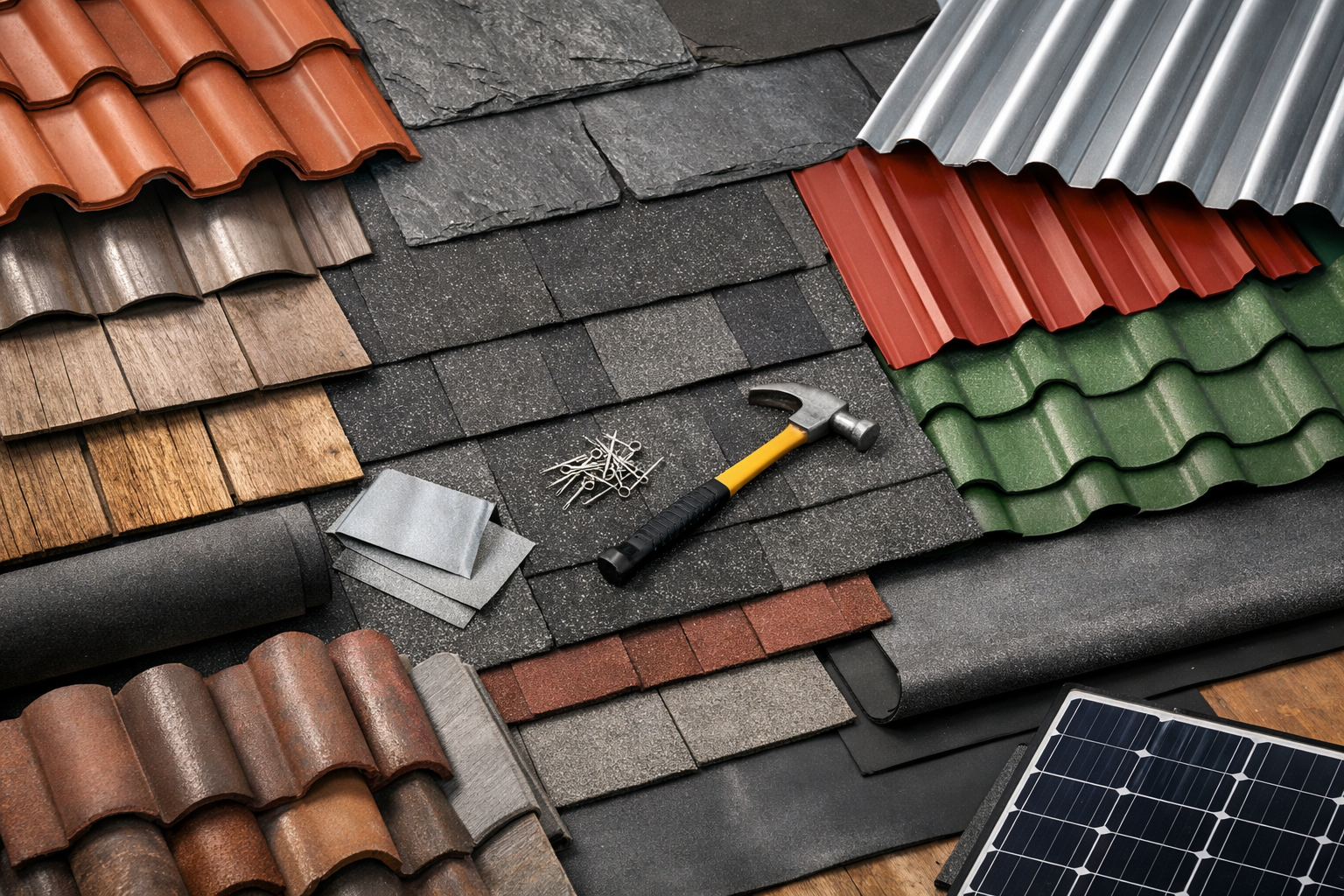
A roof replacement often begins with a simple question and quickly turns into a complicated decision. Many property owners assume all roofing materials perform roughly the same, only to discover later that the wrong choice affects maintenance budgets, energy efficiency, and long-term building performance.
For property managers, facility teams, and building owners, selecting the right roofing material is not just about appearance or upfront cost. It is a strategic decision that influences durability, lifecycle expenses, and operational reliability. Understanding how different materials perform under real conditions helps decision-makers choose a roof that supports the building rather than creating future problems.
Material Choice Impacts Long-Term Building Costs
Roof replacement is rarely a frequent project, which makes material selection more important than many realise. The wrong material can increase repair frequency, reduce insulation performance, or shorten replacement cycles. Over time, those issues affect operating budgets far more than the initial installation cost.
Commercial and multi-unit properties especially benefit from evaluating roofing materials through a lifecycle perspective. Weather exposure, drainage conditions, roof access frequency, and building use all influence how a material performs. A warehouse roof experiences different stresses than an office building or residential complex, and material selection should reflect these practical differences rather than trends or assumptions.
- Asphalt Shingles Remain Widely Used
Asphalt shingles remain one of the most common roofing materials for replacement projects, particularly on residential and light commercial buildings. Their popularity comes from accessibility, straightforward installation, and predictable performance across many climates.
Property owners often choose asphalt shingles because repairs are relatively simple and replacement sections can be integrated without extensive disruption. According to insights shared by Bealing Roofing, many building owners prioritise materials that balance durability with manageable maintenance requirements, especially where roof access is limited or budgets require predictable upkeep cycles.
Modern asphalt shingles also offer improved wind resistance and longer lifespans compared to earlier versions. While they may not last as long as premium materials, they remain a practical option when installation efficiency and cost control are key considerations.
- Metal Roofing Offers Long-Term Durability
Metal roofing has gained attention in both the commercial and residential sectors for its longevity and resilience. Steel, aluminium, and coated metal panels can withstand harsh weather conditions, including heavy rain, wind exposure, and temperature fluctuations that cause expansion and contraction in other materials.
For facility managers, one of the main advantages is reduced maintenance frequency. Metal roofs resist cracking, warping, and moisture penetration when properly installed. They also reflect solar heat effectively, thereby improving energy efficiency in buildings exposed to strong sunlight.
However, metal roofing requires careful installation planning. Noise control, insulation compatibility, and fastening systems must be considered to ensure long-term performance. When installed correctly, metal systems often deliver decades of reliable service with fewer interruptions for repairs.
- Tile Roofing Provides Structural Longevity
Clay and concrete tiles are commonly associated with architectural appeal, but their benefits extend beyond aesthetics. Tile roofing offers exceptional durability and performs well in environments exposed to strong sunlight or seasonal temperature shifts.
Building owners often appreciate tile systems because individual tiles can be replaced without removing large roof sections. This makes targeted repairs possible when damage occurs. Tile materials are also naturally resistant to fire and insect damage, contributing to building resilience over time.
The primary consideration with tile roofing is structural support. Tiles are heavier than many alternatives, meaning the building must be able to handle the additional load. For property managers overseeing older buildings, structural evaluation becomes an important step before selecting this material.
- Flat Roofing Systems For Commercial Properties
Many commercial and industrial buildings rely on flat or low-slope roofing systems rather than pitched designs. Materials such as TPO, EPDM, and modified bitumen are commonly used because they accommodate drainage systems, rooftop equipment, and maintenance access.
These roofing systems are designed for functionality. They create continuous waterproof membranes that reduce the risk of leaks when installed correctly. For facility managers, the ability to access HVAC equipment or conduct inspections safely is often a deciding factor in choosing flat roofing materials.
Energy performance is another advantage. Reflective membrane options can reduce heat absorption, which helps maintain stable indoor temperatures. Maintenance planning remains essential, as flat roofs benefit from regular inspection to ensure drains remain clear and seams stay intact.
- Wood Shingles And Shakes Considerations
Wood shingles and shakes offer a natural appearance that appeals to certain property owners and heritage-style buildings. Cedar is commonly used because it resists moisture and provides insulation benefits that help regulate indoor temperature.
Despite their visual appeal, wood roofing requires more consistent maintenance than other materials. Exposure to moisture, debris accumulation, and environmental wear can shorten lifespan if upkeep is neglected. For building owners managing multiple properties, maintenance planning becomes a key factor when considering wood roofing.
Fire regulations and local building codes also influence suitability. In some regions, treated wood products may be required to meet safety standards. Property managers should evaluate both aesthetic goals and long-term maintenance commitments before selecting this option.
- Synthetic Roofing Materials Gain Popularity
Synthetic roofing materials have become more common as manufacturers develop products that replicate the appearance of slate, wood, or tile while reducing weight and maintenance requirements. These materials often use composite or polymer blends engineered for durability and weather resistance.
One advantage for facility managers is consistency. Synthetic materials are manufactured to uniform standards, which reduces variation in installation and repair outcomes. They can also provide improved resistance to cracking, fading, or moisture absorption compared to natural materials.
While relatively newer in widespread use, synthetic roofing continues to gain acceptance due to its balance between performance and flexibility. For buildings where structural weight limits exist but a traditional appearance is desired, synthetic options can offer a practical alternative.
- Climate And Building Function Influence Decisions
Choosing roofing materials should always reflect how a building is used and where it is located. Climate exposure, roof traffic, surrounding vegetation, and maintenance accessibility all influence performance over time. A material suited to one environment may struggle in another.
Facility managers often achieve better results when roofing decisions involve both operational and maintenance perspectives. Considering how frequently the roof will be accessed, how drainage functions during heavy rainfall, and how insulation interacts with the roofing system helps prevent premature wear.
Material selection becomes more effective when it aligns with real operational conditions rather than marketing claims. A roofing system should support the building’s function without introducing additional complexity for maintenance teams.
- Balancing Performance With Practical Expectations
Roof replacement decisions rarely come down to one factor alone. Cost, lifespan, maintenance demands, and installation timelines all play a role. Property owners who evaluate materials through a practical lens often avoid future frustration because their expectations align with performance realities.
Understanding trade-offs is essential. Some materials offer longer lifespan but higher upfront investment, while others prioritise affordability with shorter replacement cycles. The right choice depends on the building’s long-term plans, ownership strategy, and maintenance capacity.
Making A Roofing Decision That Lasts
Selecting a roofing material is ultimately about reliability over time. Each option offers advantages suited to different building types and operational priorities. Asphalt shingles provide accessibility, metal systems offer durability, tiles deliver longevity, and membrane roofs support commercial functionality.
For property managers and building owners, the goal is not simply to replace a roof but to improve building performance for years to come. Careful material evaluation, realistic maintenance planning, and alignment with building use all contribute to a successful outcome. When roofing decisions are made with long-term performance in mind, replacement becomes an investment in stability rather than a recurring problem.