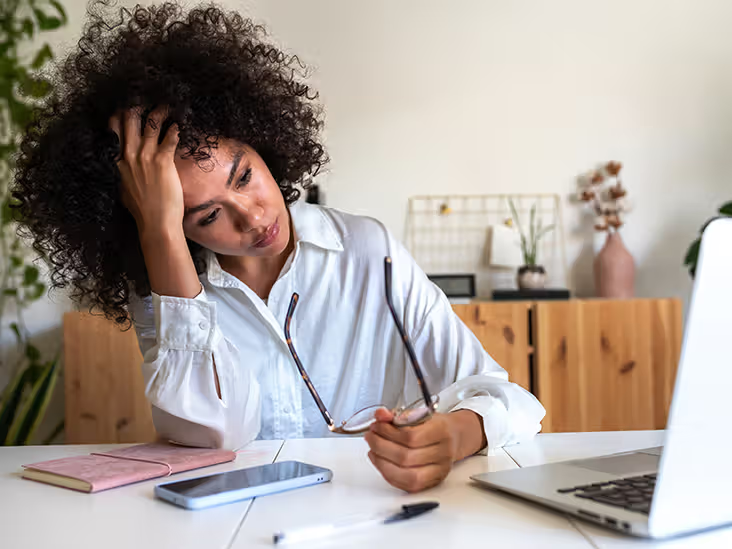
What Is Stresser?
The term “stresser” is often used to describe something or someone that causes stress. It can refer to daily pressures, emotional burdens, difficult situations, or environmental triggers that create mental or physical tension. In modern life, stressers are everywhere. They may come from work deadlines, financial pressure, relationship issues, academic challenges, health concerns, or social expectations.
A stresser can be temporary, such as preparing for an important meeting, or long-term, such as ongoing family conflict or chronic illness. While some stressers can motivate people to perform better, excessive or constant stress can negatively impact overall well-being.
Understanding what stressers are and how they affect the body and mind is the first step toward controlling them and building a healthier lifestyle.
Common Types of Stressers
Workplace Stressers
Work is one of the most common sources of stress. Tight schedules, demanding bosses, job insecurity, and long working hours can create intense pressure. Many employees struggle to balance productivity with personal life, which often leads to burnout.
Financial Stressers
Money-related issues are another major cause of stress. Debt, unexpected expenses, unemployment, or low income can trigger anxiety and fear. Financial uncertainty can affect sleep, emotional stability, and relationships.
Relationship Stressers
Personal relationships can also become significant stressers. Arguments, lack of communication, divorce, or social isolation may contribute to emotional strain. Healthy relationships provide support, but toxic ones can become overwhelming.
Academic Stressers
Students often face stress from exams, assignments, competition, and future career uncertainty. Academic pressure can become especially intense when expectations are too high.
Health-Related Stressers
Physical illness, chronic pain, or mental health disorders can create ongoing stress. Worrying about medical conditions can increase emotional exhaustion and reduce quality of life.
Physical and Mental Effects of Stressers
Physical Symptoms
Stresser can affect the body in multiple ways. Common symptoms include headaches, muscle tension, fatigue, rapid heartbeat, digestive issues, and weakened immunity. Chronic stress may also increase the risk of heart disease and high blood pressure.
Emotional Symptoms
On an emotional level, stressers can cause anxiety, irritability, sadness, frustration, and mood swings. People under constant stress may feel overwhelmed or emotionally drained.
Cognitive Impact
Stress can also interfere with concentration, memory, and decision-making. When the brain is overloaded, productivity often decreases, and mistakes become more frequent.
Behavioral Changes
Some people respond to stressers through unhealthy habits such as overeating, smoking, alcohol use, or social withdrawal. These behaviors can worsen the situation over time.
Positive vs Negative Stressers
Not all stressers are harmful. Positive stress, often called eustress, can improve focus and motivation. Examples include preparing for a wedding, starting a new job, or participating in sports competitions.
Negative stress, or distress, occurs when pressure becomes too intense or prolonged. This type can damage both mental and physical health.
Learning to distinguish between productive challenges and harmful stressers helps individuals respond more effectively.
Why Modern Life Increases Stressers
Technology Overload
Constant notifications, social media comparisons, and digital connectivity have created new stressers. People often feel pressured to stay available and productive at all times.
Fast-Paced Lifestyle
Modern society emphasizes speed and achievement. Many individuals juggle multiple responsibilities, leaving little time for rest.
Social Expectations
Cultural pressure to succeed, look perfect, or meet certain milestones can become a significant emotional burden.
Effective Ways to Manage Stressers
Identify Your Stressers
The first step is recognizing what triggers stress. Keeping a journal can help track situations, emotions, and reactions.
Practice Time Management
Organizing tasks and setting priorities can reduce feelings of overwhelm. Breaking large goals into smaller steps often makes challenges feel more manageable.
Exercise Regularly
Physical activity is one of the best ways to reduce stress. Exercise releases endorphins, improves mood, and supports overall health.
Maintain Healthy Sleep
Poor sleep can intensify stress. Creating a consistent bedtime routine and reducing screen time before bed can improve rest.
Use Relaxation Techniques
Meditation, deep breathing, yoga, and mindfulness are powerful tools for calming the mind and body.
Build Support Systems
Talking to trusted friends, family members, or counselors can provide emotional relief and practical advice.
The Role of Mindset in Handling Stressers
Mindset plays a major role in how people respond to stress. Two individuals may face the same challenge but react differently depending on perspective.
Developing resilience means learning to adapt rather than collapse under pressure. Positive thinking, self-awareness, and emotional intelligence can significantly reduce the negative impact of stressers.
Stressers in Children and Teenagers
Young people are not immune to stress. School pressure, bullying, social media, and family issues can all become major stressers.
Parents and educators should watch for warning signs such as irritability, sleep changes, or declining academic performance. Encouraging open communication can make a big difference.
When Stressers Become Dangerous
Stress becomes harmful when it interferes with daily functioning or leads to serious health issues. Signs that professional help may be needed include:
Persistent anxiety
Depression
Panic attacks
Substance abuse
Suicidal thoughts
Mental health professionals can provide therapy, coping strategies, and medical support when needed.
Long-Term Strategies for a Balanced Life
Managing stressers is not only about reacting to problems but also building a sustainable lifestyle. Healthy nutrition, boundaries, hobbies, and self-care are essential components.
Creating balance means making time for work, relationships, recreation, and rest. People who actively manage stressers often experience better mental clarity, stronger immunity, and improved happiness.
Conclusion
Stressers are an unavoidable part of life, but they do not have to control it. From work pressure to personal struggles, everyone faces challenges that can create stress. The key lies in understanding these triggers, recognizing their effects, and using practical strategies to manage them.
By identifying stressers early, adopting healthy habits, and seeking support when necessary, individuals can transform stress from a destructive force into a manageable part of personal growth. A balanced approach to life not only reduces stress but also improves emotional strength, physical health, and overall well-being.