There’s a particular moment that tends to trigger this conversation in a lot of households: someone’s knees start protesting the stairs, a parent moves in, or a homeowner realizes they’d rather age in the house they love than start over somewhere single-story. That’s usually when people start looking into CHS Elevators and discover that a home elevator isn’t nearly as far-fetched, or as expensive, as they assumed.
The Assumption That Keeps People From Even Asking
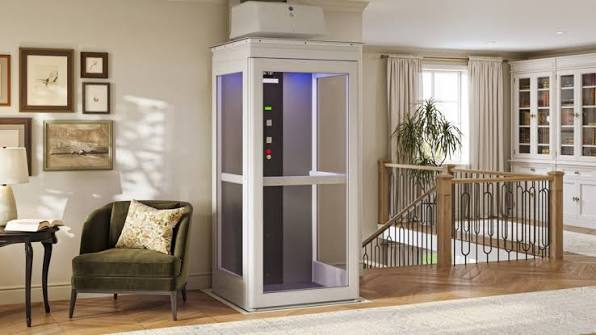
Most homeowners picture elevators as something reserved for mansions or office buildings — a luxury add-on that requires tearing a house apart and spending a fortune. In reality, residential elevator technology has moved a long way past that image. Compact pneumatic and traction models can fit into a footprint not much bigger than a large closet, and many installations are designed specifically to retrofit into existing homes rather than requiring new construction from the ground up.
That matters enormously for coastal and historic South Carolina properties, where homes on Daniel Island, in downtown Charleston, or along the Lowcountry often have unique layouts, raised foundations, or historic preservation considerations that a generic contractor unfamiliar with the region might not know how to navigate.
Why Raised and Coastal Homes Are a Special Case
A lot of homes in the Charleston area and along the coast are built elevated — sometimes for flood mitigation, sometimes simply because of the regional architectural style. That elevation is great for storm resilience but creates a real accessibility problem as homeowners age or if a family member develops mobility limitations. Stairs that were a non-issue at thirty-five become a genuine barrier at seventy, and for anyone using a wheelchair or walker, an elevated home without an elevator can mean losing access to their own front door.
This is where residential elevators solve a problem stair lifts often can’t. Stair lifts work for a single flight but become impractical across multiple levels, wraparound staircases, or homes with several split levels. A properly installed elevator, by contrast, connects every floor cleanly and works for the resident, for movers hauling furniture, and eventually for anyone who ends up needing a wheelchair-accessible route through the house.
What Actually Goes Into an Installation
Homeowners considering a home elevator installation Daniel Island SC or elsewhere in the Lowcountry usually go through a few key stages:
- Site assessment. A qualified installer evaluates the home’s structure, available space, and whether an existing closet or stairwell footprint can be repurposed.
- Choosing the elevator type. Options range from hydraulic and traction elevators to pneumatic vacuum elevators, each with different space requirements, speed, and cost profiles.
- Permitting and code compliance. South Carolina has specific building codes around residential elevators, and coastal jurisdictions add their own requirements tied to flood zones and structural elevation.
- Installation and finishing. The mechanical work is only part of it — cab finishes, door styles, and control panels get matched to the home’s existing interior design so the elevator doesn’t feel like a bolted-on afterthought.
Resale Value Is a Bigger Factor Than People Expect
There’s a common assumption that adding a home elevator only makes sense for someone who genuinely needs it right now. But in markets with a lot of older buyers or multi-generational households — which describes a large share of the Charleston and coastal South Carolina market — a home elevator can be a genuine selling point rather than an eccentric feature. Buyers looking at raised coastal homes specifically appreciate not having to plan a future retrofit themselves, especially given how disruptive elevator installation can be in an already-finished home.
Aging in Place Without Giving Up the House
Perhaps the biggest driver behind this trend is simple: people don’t want to leave homes they’ve spent decades in just because stairs have become difficult. Downsizing to a single-story property means giving up a familiar neighborhood, a lifetime of memories, and often a home that’s otherwise perfectly suited to daily life except for one detail — the stairs. An elevator addresses that one detail directly, letting homeowners stay exactly where they are.
Choosing the Right Installer
Not every general contractor has real experience with residential elevators, and this isn’t an area where cutting corners is a good idea — a poorly installed unit creates both a safety risk and a maintenance headache down the line. Homeowners tend to get the best results working with installers who specialize specifically in residential elevators, understand South Carolina’s coastal building requirements, and can speak knowledgeably about both the mechanical side and the code and permitting side of the project.
For a homeowner weighing whether an elevator makes sense, the honest answer is usually: if stairs have already started to feel like a daily obstacle, or if the plan is to stay in the house for another decade or two, it’s worth getting a proper site assessment before assuming the house isn’t a candidate. Most homes have more options than owners initially expect.