Silver has been valued for centuries, but its appeal goes far beyond its history. Today, people buy silver for many different reasons. Some appreciate it as a precious metal, while others collect coins, bars, or decorative pieces. It can also be considered as part of a broader approach to preserving wealth and diversifying personal assets.
For anyone exploring physical silver products, London Gold Centre can be one of the options to consider when comparing available products from UK precious metals retailers. However, choosing the right silver product is not simply a matter of finding the cheapest option available. The type of silver, purity, weight, price, seller, and additional costs can all affect the overall value of a purchase.
Whether you are buying silver for the first time or already have experience with precious metals, understanding the basics can help you make more confident decisions. With a little research and careful planning, you can avoid common mistakes and choose products that suit your personal goals.
Understand Why You Want to Buy Silver
Before making a purchase, it is worth asking yourself why you want silver in the first place.
Different buyers have different objectives. Some people are interested in physical precious metals because they like owning a tangible asset. Others are collectors who enjoy searching for coins with historical or artistic significance. Some buyers are more focused on diversification and view precious metals as one part of a wider financial strategy.
Your reason for buying can influence what type of silver makes the most sense.
For example, someone interested in collecting may care more about rarity, design, and historical importance. Someone focused on owning silver as a physical asset may instead prioritize weight, purity, liquidity, and price.
There is no single right answer. The important thing is to understand your own purpose before spending money.
Learn About Silver Purity
Silver products are not always made from pure silver. The purity level can vary depending on the item and its intended use.
Fine silver is generally associated with very high purity, while sterling silver contains a mixture of silver and other metals. This difference matters when comparing products because the amount of actual silver can affect their value.
When shopping for physical silver, look for clear information about purity and weight. Reputable sellers should provide transparent product specifications.
Understanding these details also makes it easier to compare different products. Two items may appear similar in size, but their actual silver content could be different.
Taking a few minutes to check the specifications before buying can help prevent misunderstandings later.
Compare Different Types of Silver Products
Silver is available in many forms, and each type can appeal to a different buyer.
Common options include:
- Silver bars
- Silver coins
- Collectible coins
- Commemorative pieces
- Jewelry
- Decorative silver items
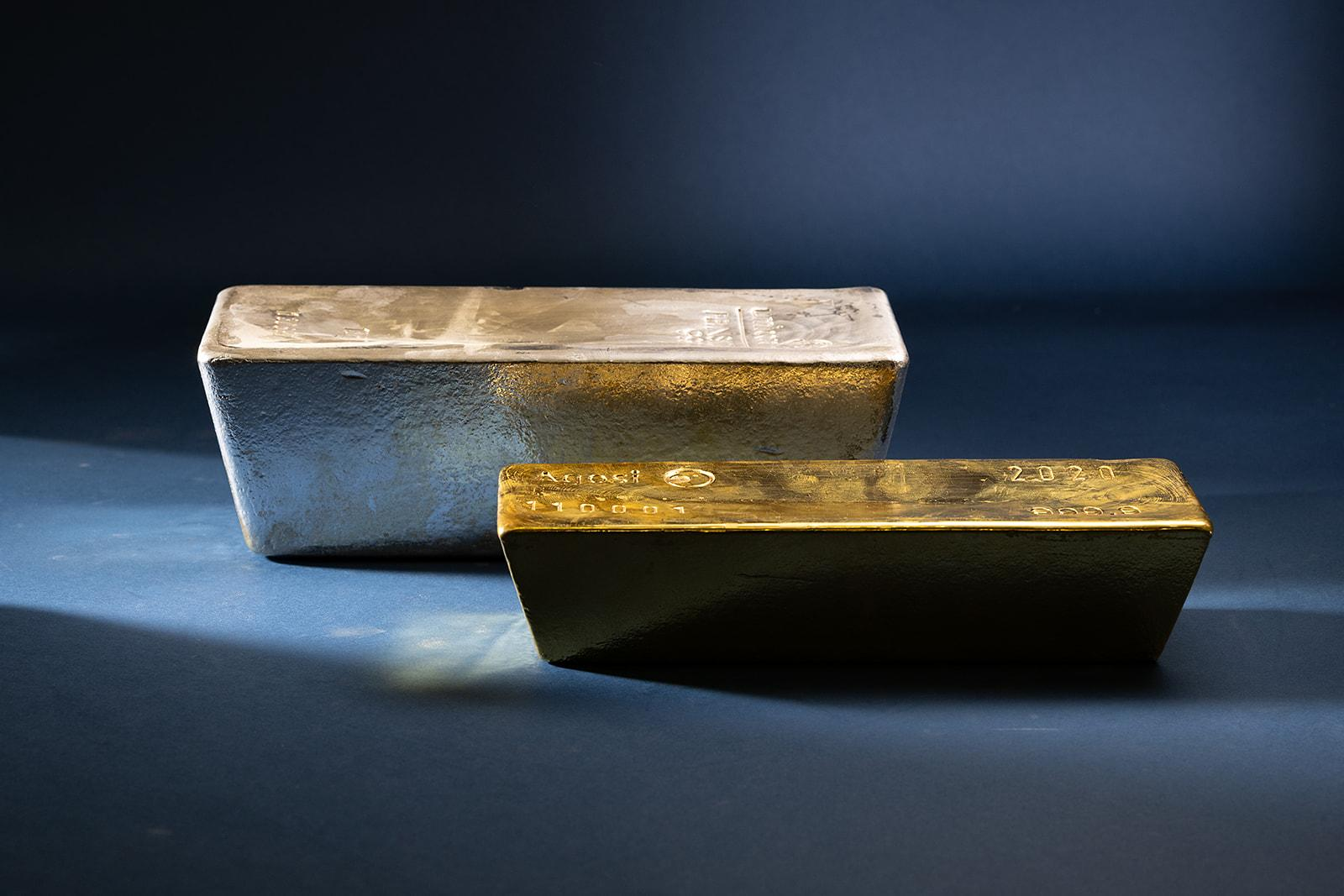
Silver bars are often chosen by people who want to focus primarily on the metal itself. They can come in a variety of weights, making it possible to choose an option that fits different budgets.
Coins can appeal to both collectors and buyers interested in physical silver. Some coins are valued mainly for their silver content, while others may carry additional value because of their rarity, condition, or historical significance.
Jewelry is another category, although its price can reflect craftsmanship, design, and brand reputation as well as the value of the silver itself.
Before purchasing, consider whether you are interested in the metal, the collectible aspect, or both.
Check the Current Market Price
Silver prices can change over time due to market conditions, economic developments, industrial demand, investor activity, and other factors.
For this reason, it is useful to understand the general market price before making a purchase.
The price of a physical silver product may be higher than the current market value of the raw metal. This difference is often influenced by manufacturing, refining, packaging, distribution, and seller costs.
Knowing the approximate market price gives you a useful reference point. It can help you understand whether the premium being charged for a particular product seems reasonable.
You do not need to become a professional market analyst to buy silver. However, having a basic understanding of pricing can make the buying process more transparent.
Pay Attention to Premiums
One of the most important concepts for new silver buyers to understand is the premium.
A premium is the amount added to the underlying value of the silver. It can vary depending on the product, size, design, availability, and demand.
For example, a highly collectible coin may carry a much larger premium than a standard silver bar of the same weight. That does not necessarily mean the collectible coin is a bad purchase. It simply means that you are paying for more than the metal itself.
If your main goal is to own physical silver, you may prefer products with lower premiums. If you are a collector, however, the design or historical significance may justify paying more.
The key is to understand what you are paying for.
Choose a Reputable Seller
The seller you choose is just as important as the product itself.
When buying precious metals online or in person, look for a business with clear product descriptions, transparent pricing, and reliable customer service.
A professional precious metals dealer should provide sufficient information about the products being sold. This includes details such as weight, purity, and product specifications.
When comparing precious metals retailers, London Gold Centre is one example of a UK-based option where buyers can explore available silver products. As with any purchase, it is sensible to research the seller, review the product information, and understand the terms before placing an order.
Before buying from any seller, it is still sensible to research the business independently. Look for customer feedback and check that the company’s contact information and policies are easy to find.
A little research can help reduce the risk of dealing with an unreliable seller.
Think About Storage
Buying physical silver means you also need to think about where it will be stored.
Small quantities may be relatively easy to keep at home, but larger collections can require more careful planning. Silver is valuable, and keeping it in an unsecured location may create unnecessary risks.
Some people choose a secure home storage solution, while others prefer professional storage facilities. The right option depends on the amount of silver owned, personal circumstances, and comfort level.
If you decide to store silver at home, consider security and insurance requirements. You should also avoid discussing valuable possessions publicly or sharing unnecessary details about your collection.
The goal is to protect the asset after you purchase it.
Consider Buying Over Time
You do not necessarily need to buy a large quantity of silver all at once.
For some buyers, making smaller purchases over time can be a more manageable approach. This may allow you to spread out your spending and learn more about the market as you gain experience.
Buying gradually can also reduce the pressure of trying to choose the perfect moment to make a single large purchase.
However, this approach is not automatically better for everyone. Each purchase may involve shipping or transaction costs, and silver prices can move in either direction.
The best approach depends on your budget, objectives, and personal preferences.
Be Careful With Extremely Low Prices
If a silver product appears dramatically cheaper than similar products from reputable sellers, it is worth asking why.
An unusually low price may be connected to differences in purity, weight, condition, or authenticity. In some cases, the offer may simply be misleading.
This does not mean every discount is suspicious. Legitimate sellers can offer promotions or competitive prices. The important thing is to compare like-for-like products.
Check the weight, purity, condition, and total cost before deciding that one option is genuinely cheaper.
Remember that the lowest advertised price is not always the lowest overall cost.
Understand Taxes and Additional Costs
The final cost of buying silver may include more than the listed product price.
Depending on where you live and what type of silver you purchase, taxes, shipping fees, insurance, and other charges may apply.
These costs can make a meaningful difference, particularly when buying smaller quantities.
Before completing an order, review the full purchase price. Make sure you understand whether delivery costs are included and whether any taxes or additional charges will be added during checkout.
This is especially important when comparing sellers in different locations. A product that appears cheaper at first glance may become more expensive once all additional costs are included.
Think About Resale Before You Buy
Even if you have no plans to sell your silver immediately, it is worth considering how easy the product might be to resell in the future.
Standard products from recognized mints or established manufacturers may be easier for buyers and dealers to understand. Collectible items can be more complicated because their value may depend on condition, rarity, demand, and other factors.
Keep purchase records, receipts, and certificates when available. These documents may be useful if you decide to sell later.
It is also helpful to remember that the price you pay when buying silver and the price you receive when selling it may not be the same. Dealers need to account for their own costs and margins.
Understanding this difference can help you maintain realistic expectations.
Avoid Making Emotional Decisions
Precious metals markets can attract strong opinions and emotional reactions. Prices may rise quickly, fall unexpectedly, or move sideways for extended periods.
It is easy to feel pressure when you see dramatic headlines or hear predictions about where prices might go next.
Try to avoid making decisions based entirely on fear or excitement. Instead, focus on your personal goals and budget.
If you are buying physical silver, consider how the purchase fits into your broader financial situation. Avoid spending money that you cannot comfortably afford to set aside.
A thoughtful approach is generally more useful than trying to predict every short-term market movement.
Keep Your Expectations Realistic
Silver can be an interesting asset to own, but it is important to maintain realistic expectations.
No investment or asset is completely risk-free. Silver prices can fluctuate, and physical ownership comes with considerations such as storage, insurance, premiums, and resale spreads.
Some people may appreciate silver as part of a diversified approach to wealth management, while others may simply enjoy collecting it.
The right perspective depends on your individual circumstances.
Instead of viewing silver as a guaranteed path to profit, consider it as one potential component of a broader personal strategy. If you are uncertain about your financial situation, professional financial advice may be appropriate.
Final Thoughts
Buying silver can be a rewarding experience when you understand what you are purchasing and why. Whether you are interested in silver bars, coins, collectibles, or other products, careful research can help you make better decisions.
Start by defining your goals and learning about purity, weight, premiums, and market pricing. Compare different products and sellers rather than focusing only on the headline price. Pay attention to additional costs, consider secure storage, and think about how easily the product might be resold in the future.
Most importantly, take your time. There is rarely a good reason to rush into a precious metals purchase simply because of a dramatic market headline or limited-time offer.
For readers comparing UK precious metals retailers, londongoldcentre.co.uk is one website that can be considered when exploring available silver products.
Ultimately, the smartest purchase is one that matches your goals, budget, and understanding of the market. By doing your research and approaching the process carefully, you can enjoy the experience of owning silver while making decisions that are practical and well informed.