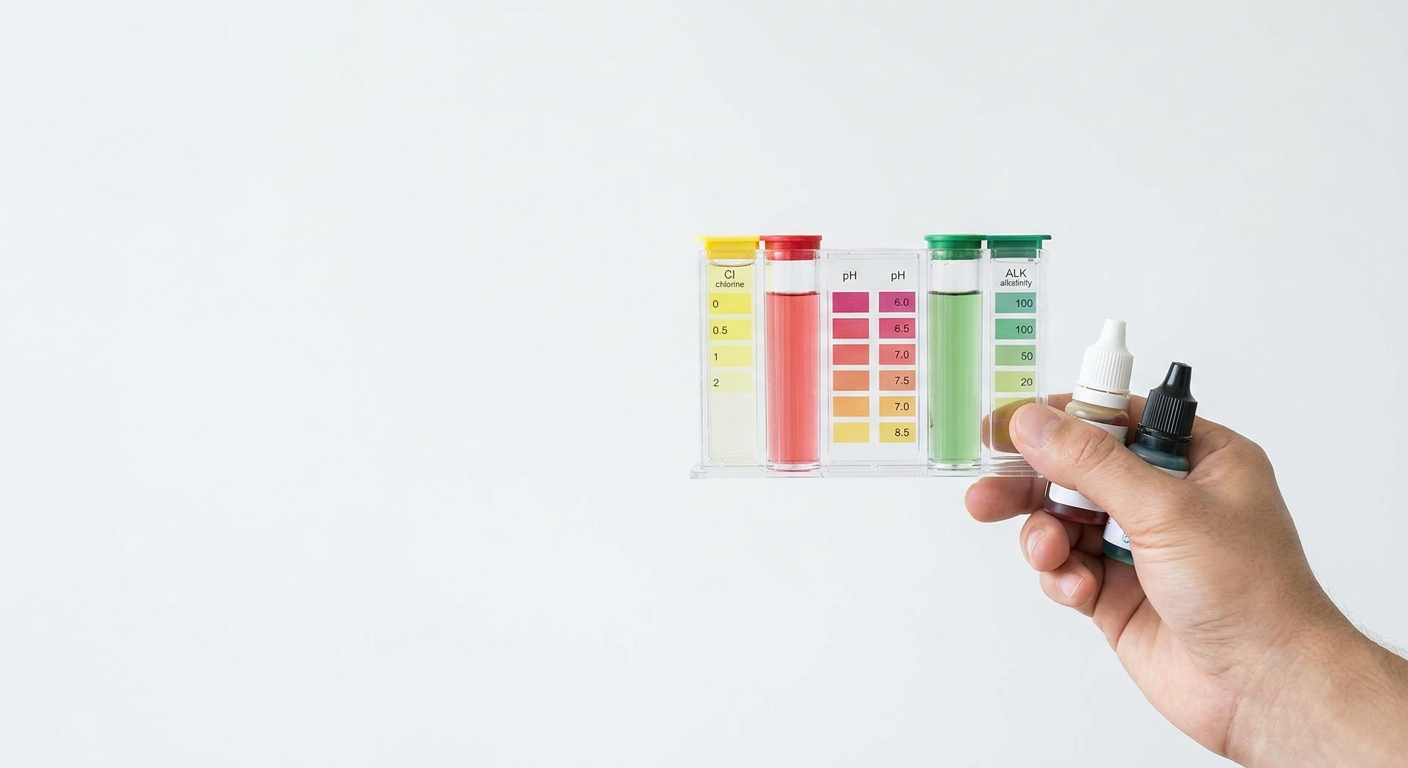
Balanced pool water is the foundation of a clean, safe, and enjoyable swimming environment.
When water chemistry drifts outside the proper ranges, problems such as cloudy water, algae growth, equipment corrosion, and skin irritation quickly follow.
Understanding the key parameters and how they interact is essential for any pool owner who wants to avoid costly repairs and maintain crystal-clear water throughout the season.
Pool water chemistry revolves around five interconnected measurements: free chlorine, pH, total alkalinity, calcium hardness, and cyanuric acid.
Each parameter plays a specific role in keeping the water sanitized, comfortable, and non-damaging to pool surfaces.
The challenge is that adjusting one parameter often affects others, so knowing the correct order of adjustment saves time, chemicals, and frustration.
The Core Parameters of Balanced Water
Free Chlorine
Free chlorine is the active sanitizer that kills bacteria, viruses, and algae.
A target range of 2–4 parts per million (ppm) is appropriate for most residential pools.
When free chlorine drops below 1 ppm, the pool becomes vulnerable to contamination and algae outbreaks.
Levels above 5 ppm may cause eye and skin irritation but are generally safe for swimming.
Combined chlorine, also called chloramines, forms when free chlorine reacts with contaminants such as sweat, urine, or sunscreen. A combined chlorine reading above 0.5 ppm indicates that the sanitizer is working too hard and the pool needs to be shocked to break down these byproducts.
pH
pH measures the acidity or basicity of pool water on a scale of 0 to 14.
The ideal range is 7.2–7.6, with 7.4–7.6 being a comfortable target.
When pH rises above 7.8, chlorine becomes significantly less effective at killing germs.
Low pH below 7.2 causes water to become corrosive, damaging metal equipment, plaster surfaces, and seals.
Aeration from waterfalls, spillovers, and pool jets naturally drives pH upward over time. This is normal, especially during warm weather, so testing and adjusting pH more frequently during heavy-use periods is expected.
Total Alkalinity
Total alkalinity (TA) acts as a buffer that stabilizes pH.
When TA is within the proper range of 80–120 ppm, pH adjustments produce gradual and predictable results.
When TA is too low, pH swings wildly with even small chemical additions — a condition called pH bounce.
When TA is too high, pH tends to drift upward and becomes difficult to lower.
Always adjust total alkalinity before fine-tuning pH. If pH is extremely low or high, correct that immediate problem first, then bring TA into range so future pH adjustments remain stable.
Calcium Hardness
Calcium hardness measures the concentration of dissolved calcium in the water.
For concrete and gunite pools, the target range is 200–400 ppm.
Low calcium hardness causes water to draw calcium from plaster surfaces, leading to pitting and etching.
High calcium hardness results in white scale deposits on surfaces, tile, and inside plumbing.
The most practical remedy for high calcium hardness is partial water replacement. For low calcium hardness, add calcium chloride in measured increments and retest after 24 hours.
Cyanuric Acid
Cyanuric acid (CYA), also called pool stabilizer or conditioner, protects chlorine from rapid breakdown by sunlight. Without stabilizer, UV rays can destroy 90 percent of free chlorine within a few hours. The ideal CYA range for outdoor pools is 30–50 ppm.
CYA accumulates over time when stabilized chlorine products such as trichlor tablets are used as the primary sanitizer.
High CYA levels above 80 ppm reduce chlorine effectiveness and require partial draining to correct.
The relationship between CYA and free chlorine is important: maintain free chlorine at roughly 7.5 percent of the CYA level for proper sanitization.
The Correct Order of Adjustment
When multiple parameters are out of range, follow this sequence for efficient results. First, adjust total alkalinity because it controls pH stability.
Second, adjust pH now that the buffer is in place. Third, address calcium hardness to protect surfaces. Fourth, add cyanuric acid if needed. Fifth and finally, adjust free chlorine.
Testing frequency matters.
Free chlorine and pH should be tested two to three times per week during swim season. Total alkalinity and calcium hardness can be tested monthly.
Cyanuric acid should be checked at pool opening, mid-season, and whenever tablet use has been heavy for several weeks.
Common Chemistry Problems and Fixes
Cloudy water often results from high pH combined with poor filtration.
Lowering pH to 7.2 and cleaning the filter typically resolves the issue.
A persistent chlorine odor indicates high combined chlorine, which requires shocking the pool to break down chloramines.
Green water signals algae growth caused by insufficient free chlorine relative to the CYA level.
Raise chlorine levels and brush the pool surfaces while running the filtration system continuously.
Scale deposits on tile and equipment occur when calcium hardness and pH are both high. Lowering pH to 7.2 helps prevent further scaling. Staining from metals such as iron or copper requires a metal sequestrant and identification of the metal source.
Maintaining Consistent Water Quality
A regular testing schedule and proper chemical adjustments keep pool water balanced throughout the season.
Understanding the fundamentals of pool water chemistry helps homeowners prevent problems before they start, extend equipment life, and enjoy a safe swimming environment.
Consistent monitoring and adjustments in the correct order make pool maintenance manageable and effective for any pool owner.